
Concrete driveway building
We tear out the old driveway, dig and pack a new base and pour over rebar, the steel that holds the slab together if it cracks in a hard winter.
Monolith Toledo Concrete pours driveways, patios, walks, steps, garage floors and foundations for homes in Sylvania, OH, in both the city and the township. I'm on site with our crew for every job we do there.
Sylvania is two places on paper, the City of Sylvania and Sylvania Township, and a job here goes through the county's building department and whichever of the two zoning offices covers your house. We're based in Toledo and do the same kind of work across the cities around it, from Sylvania down to Bowling Green and over to Perrysburg.
The houses here run from older homes on settled streets to newer subdivisions, and most of what we pour for them is flatwork, the driveways, patios, walks and garage floors that sit right on the ground. Price mostly comes down to the size, whether an old slab has to be broken out and hauled away, how much base work the ground needs and the finish you pick. The schedule turns on the weather, the permit and curing, which is the wait while the concrete gets strong enough to use. I measure the job at the estimate and write down what's included and what isn't, so you get your own figure. When an old driveway here has sunk or split, the cause is usually dirt that was raked level instead of dug out and packed, and a few winters of frost bring that out, so on most jobs our work starts below the surface.
I come out to every job in Sylvania, walk it and write the estimate myself, and then I'm on site with our crew for the work, so the person who priced it is there for the pour.
If the budget gets tight, I'd rather cut back on the finish than the base, because you can upgrade a finish later but fixing a sunken base means tearing the slab out.
We pull the permits our work needs and check the rules with the county and the right zoning office before we start, so you know who's involved before anything gets torn out.
We tear out the old driveway, dig and pack a new base and pour over rebar, the steel that holds the slab together if it cracks in a hard winter.
We slope a patio so rain runs away from your house, and on hot days we pour early so the surface doesn't dry too fast and turn dusty later.
Stamped concrete is pressed with a pattern that looks like stone or brick, and we seal it afterward to help the color and texture hold up through winter.
We replace front walks that have heaved or tipped at a joint, pouring on a packed base so the new sections sit flush and stop catching toes and shovels.
A new garage floor gets a smooth troweled finish that's easy to sweep and a slight fall toward the door, so snowmelt off the car runs out instead of pooling.
Decorative work covers colored concrete, exposed stone finishes and borders, and we use it where you want a front walk or patio to look like it belongs with the house.
We pour retaining walls on a footing set below frost depth with drainage behind them, because water trapped behind a wall is what usually pushes it out of line.
We pour interior floors for basements, shops and additions over a packed base and a plastic sheet that keeps ground moisture from coming up into your flooring.
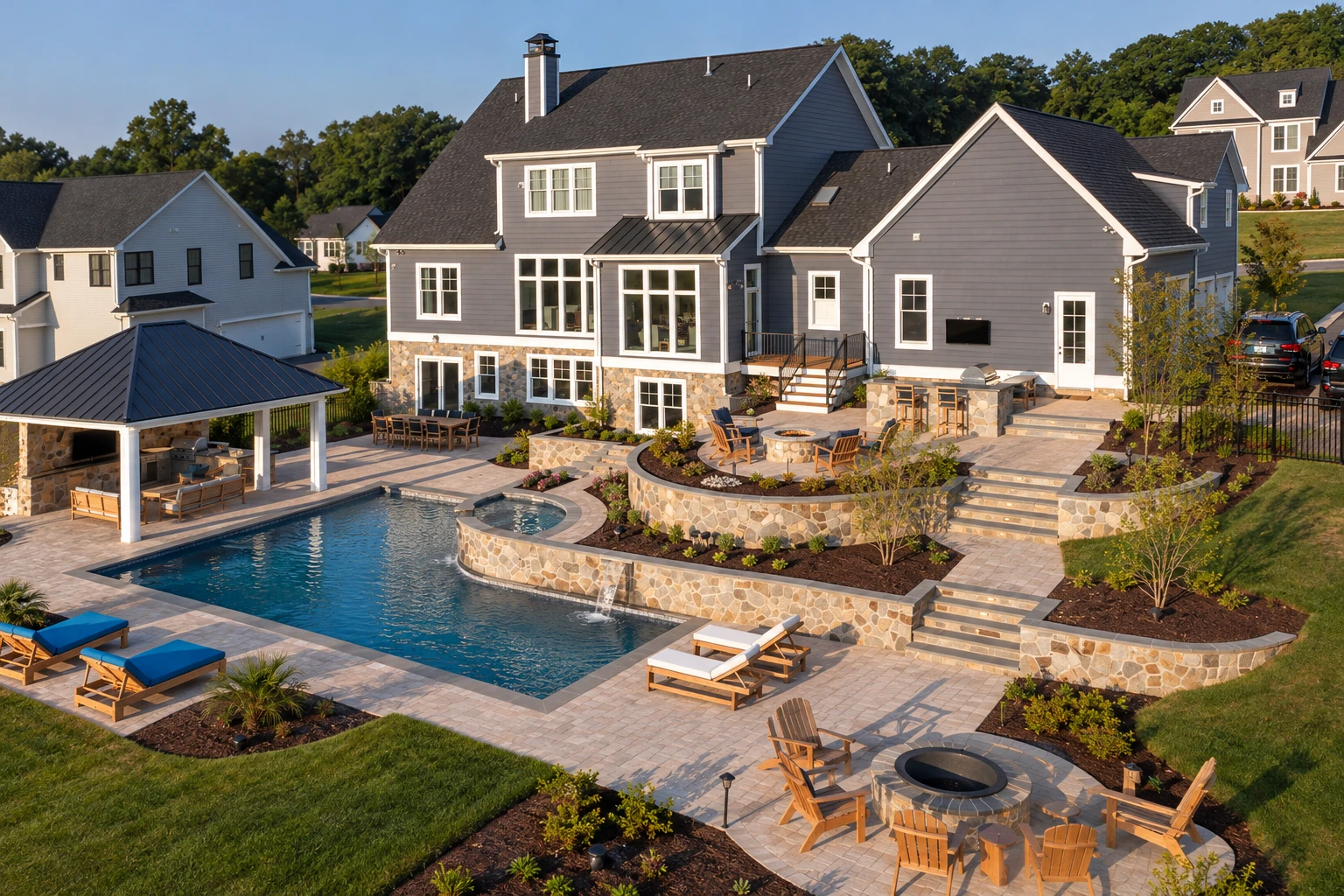
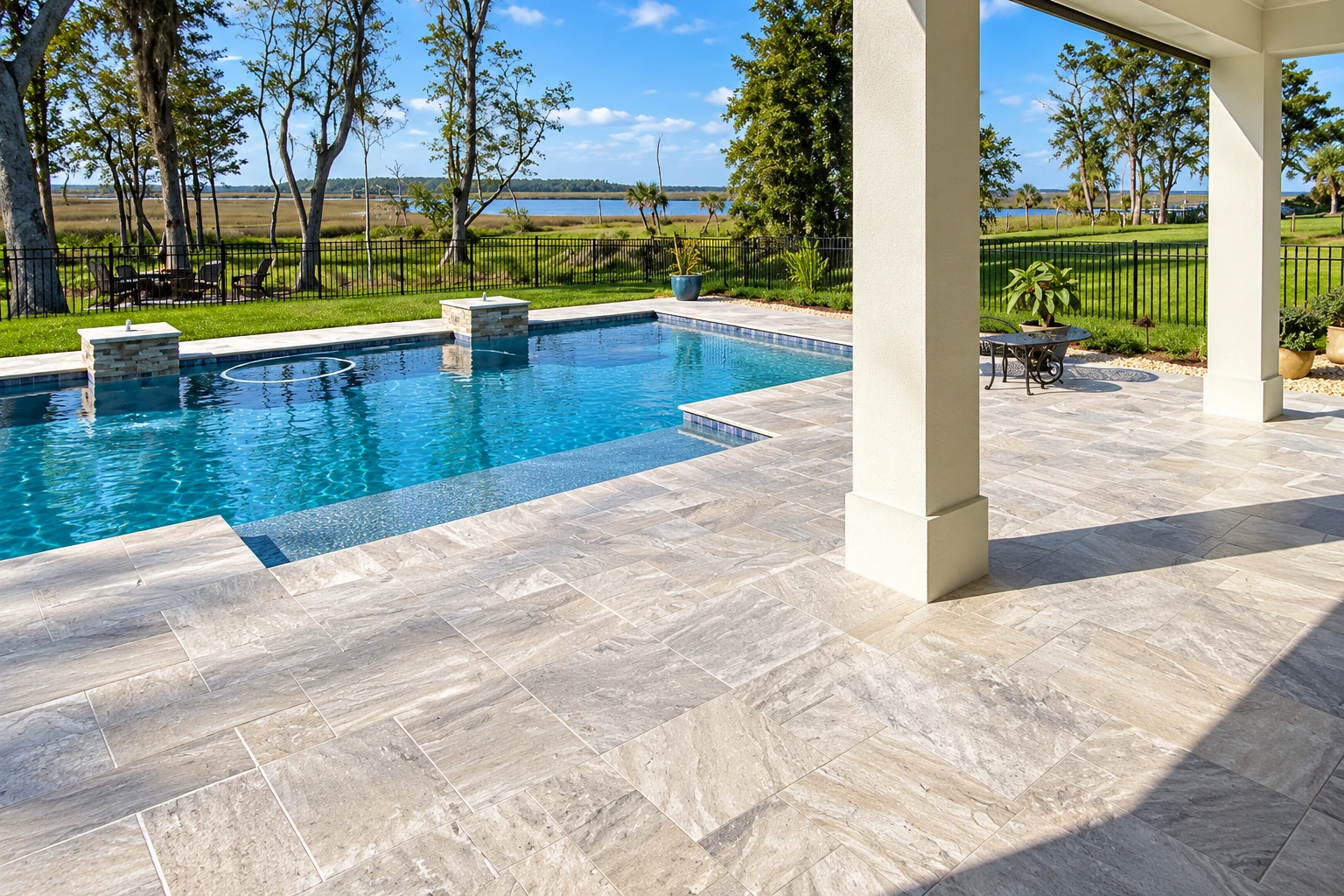
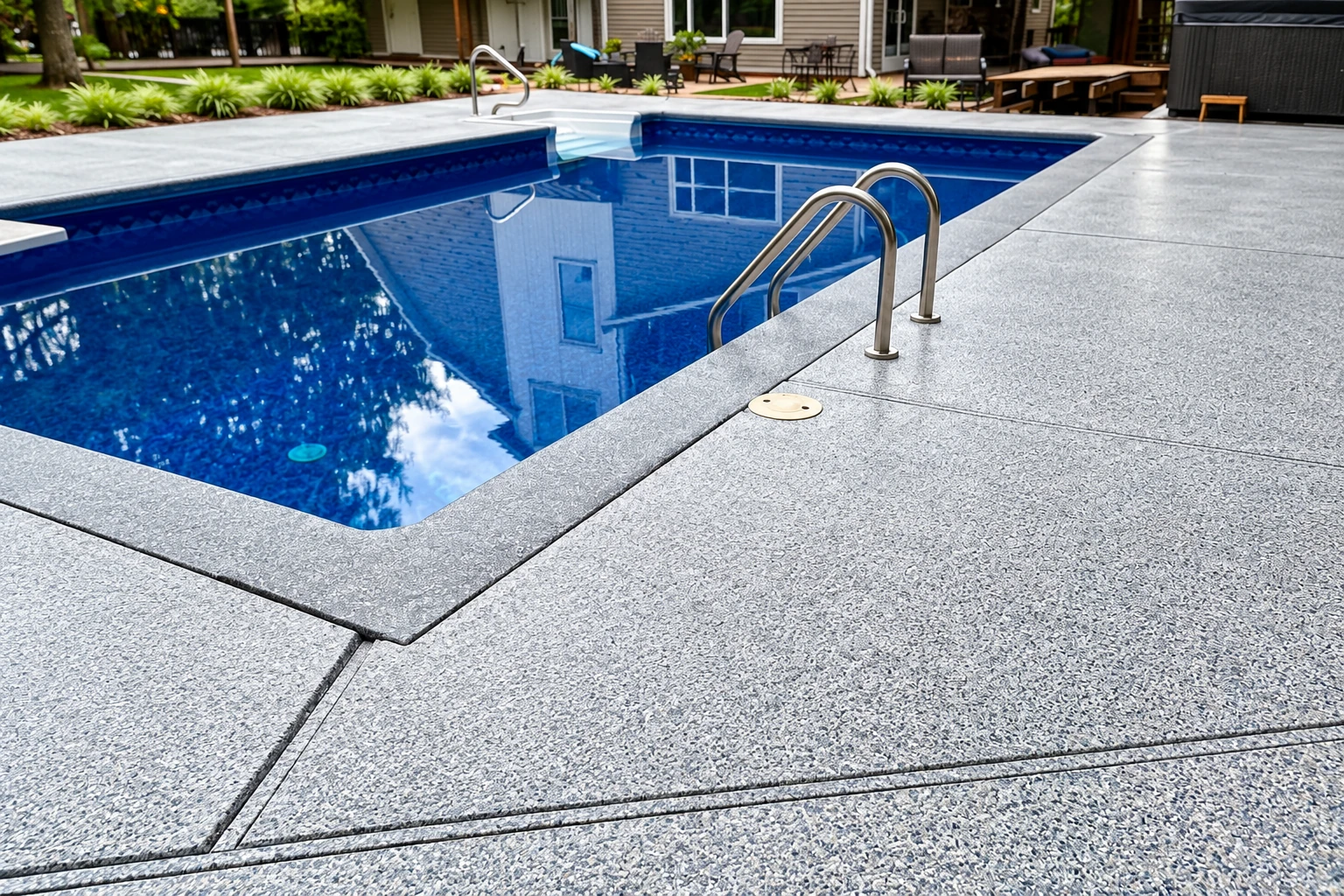
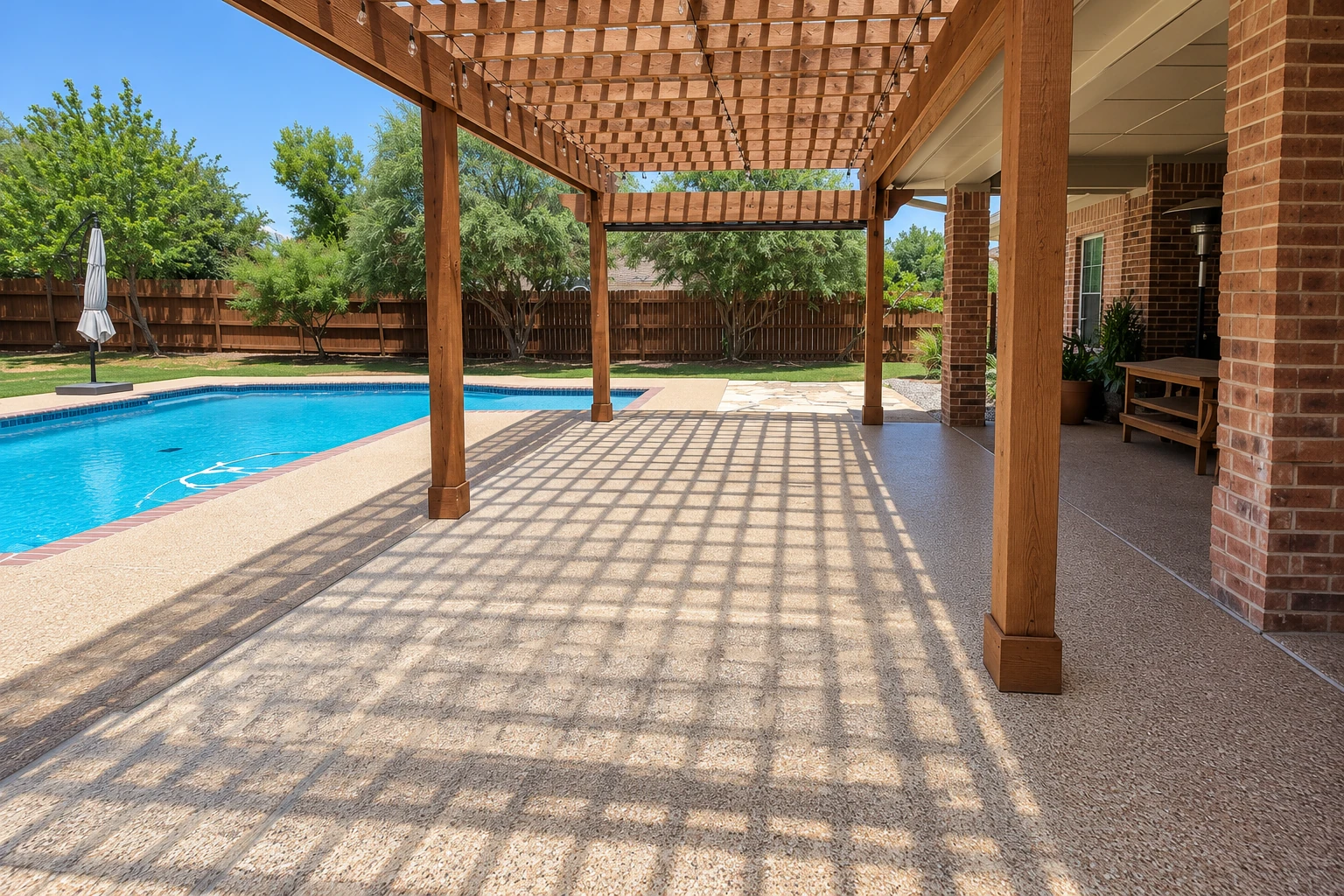
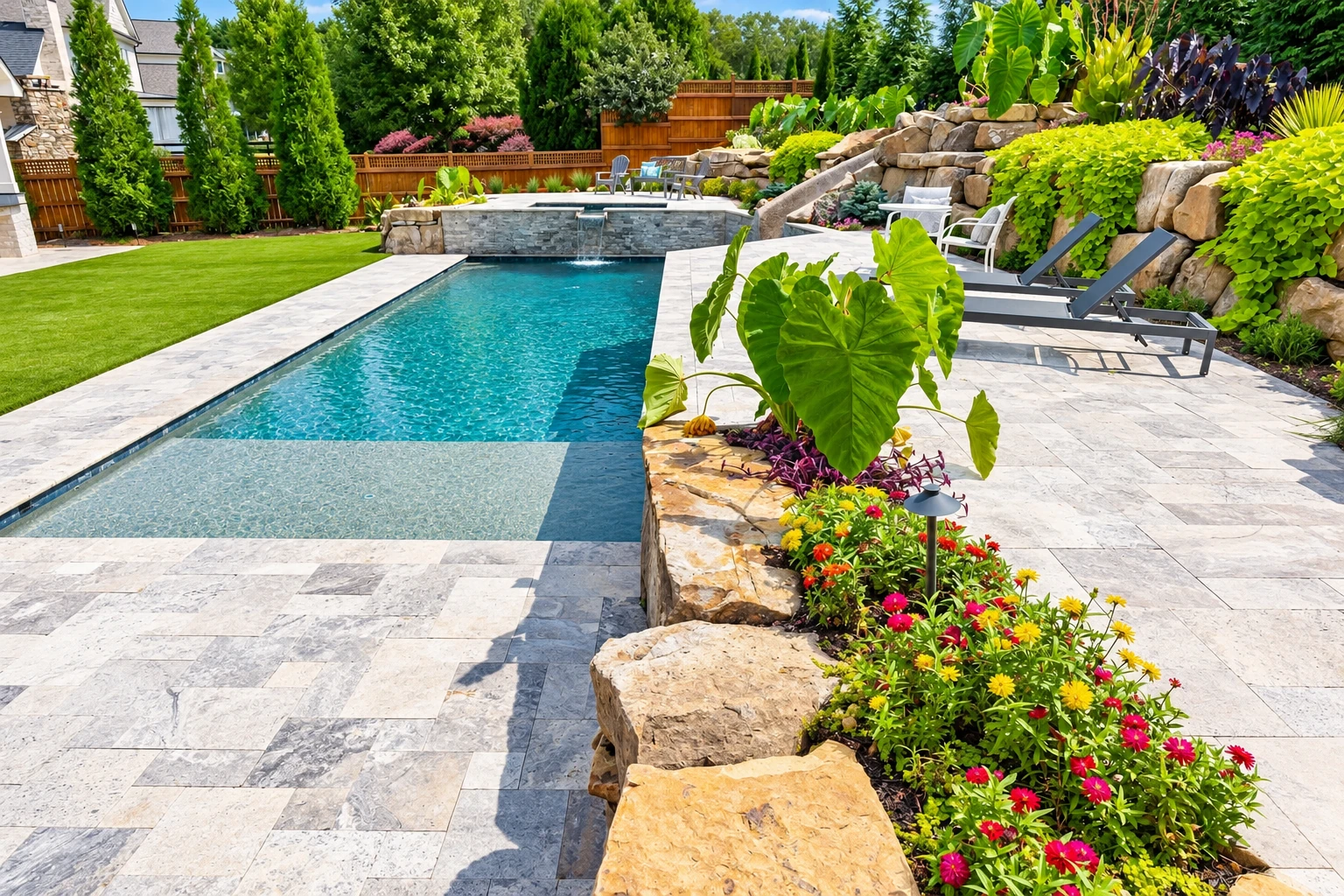
Pool decks get a textured finish so wet feet can grip, and we slope them so splash and rain run away from both the pool and the house.
We form and pour front and back steps with even heights and a broom finish, the brushed texture that gives shoes something to grip on icy mornings.
For a new garage, addition or outbuilding, we pour the slab foundation on a dug-out, packed base with thicker edges where the walls will sit.
We dig, form and pour foundation walls for additions and new buildings, checking the layout against your plans before a truck shows up, because a wall poured wrong stays wrong.
For small business lots, we plan the slope so water reaches the drains, and we can pour in sections so part of the lot stays open while the rest cures.
Footings are the wide concrete pads under a wall, post or addition, and we dig them deep enough that frost doesn't lift what sits on top.
When a slab or foundation has sunk, I look at why before we talk about raising it, because lifting concrete without fixing the water under it only buys time.
We saw-cut concrete for new doorways, utility trenches and clean removal lines, so we take out only the section that's failed and leave the good concrete alone.
We reply within one business day to set a time, then I come out, walk the job, measure it and write it up. The estimate is free, done on site and comes with no obligation.
Tell us where the job is and what you're seeing, whether that's cracks, sinking or water pooling by the house, so I know what to look at when I come out.
The estimate spells out the tear-out, the base work, the pour and the finish, plus what isn't included, so you can hold it up against any other bid.
We're licensed and fully insured, and our work is backed by our satisfaction guarantee, so you know exactly who you're letting onto your property.
These are the questions Sylvania homeowners ask before a pour, about permits, zoning, drainage and whether the new slab will crack.
Yes, a garage over 200 square feet needs a building permit from the Lucas County Building Regulations Department before work starts, in the city or the township. In the township, the county code exempts a detached building of 200 square feet or less, though the township still issues its own permits for garages and other accessory buildings. We pull the permits our work needs.
You call the one your house is in, because the city and the township each run their own zoning office. The city's is at 419-885-8946, and the township's is at 419-885-5276, open Monday, Wednesday and Thursday from 8 a.m. to 4:30 p.m. Zoning approval comes before any new building, addition or renovation, and we check with the right office before we start.
When a project needs a grading plan, the city's Service Director reviews it inside the City of Sylvania, and the County Engineer reviews it in the township. Either way, I check where your water runs before we set a form, because a slab that falls toward the house sends every rain straight to your foundation.
It can still crack, because concrete shrinks as it cures and moves with frost, but a well-built slab cracks along lines we choose instead of breaking up and sinking. We cut control joints on time, grooves that give a crack a straight line to follow, and we pour over a dug-out, packed base. Skipping either one is how old driveways end up in pieces.
Each city below has its own page on what we see there. If yours isn't listed, call or send the address, and I'll tell you whether we can take the job.
Call (419) 392-9683 or send the form with your address, because an early estimate leaves room for zoning and the permit before the pour.