Panels that have heaved or sunk
When a panel tips up or drops at one end, it turns into a trip hazard. We take out the bad sections and rebuild the base beneath them so the new ones sit on firm ground.
Cracked, sunken or tree-lifted panels out front? We tear them out, pack a solid base and pour a new walk to the city's standards.
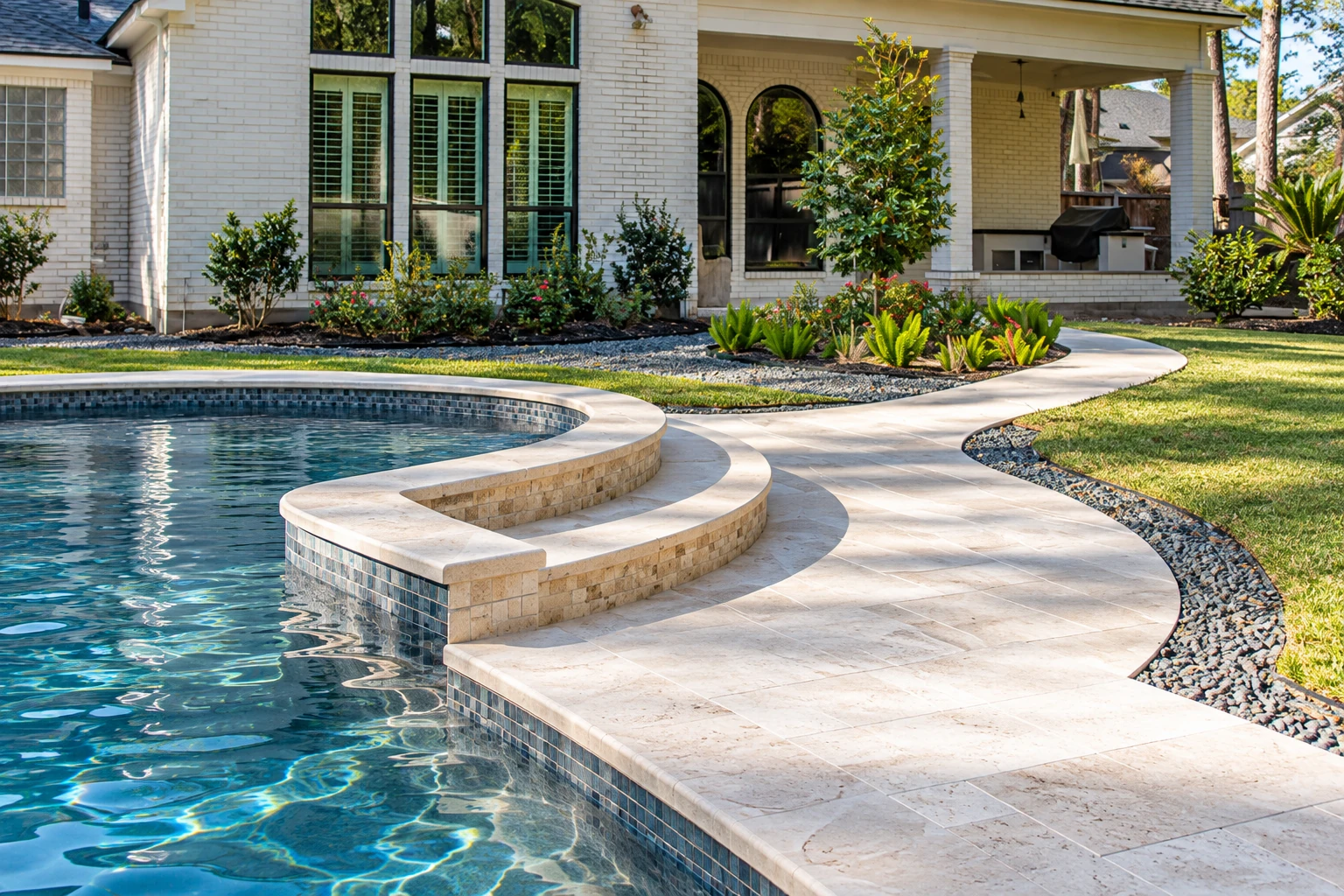
Concrete sidewalk building in Toledo means tearing out the cracked or lifted walk along the street, or laying one where there isn't any, and pouring a new walk to the city's standards so it sits flat and is safe to walk on.
Most calls start with a panel that's heaved up, sunk at one end or broken into pieces, often next to a big tree or where the walk meets the driveway. The price moves with how much walk comes out, how much digging the base needs and whether the walk crosses your drive, since that stretch is poured thicker. The schedule turns on the city permit and inspection, the weather and curing, which is the stretch of days new concrete needs to harden before it takes much use. We're licensed and fully insured, and because Toledo only lets an owner or a licensed sidewalk contractor build along the street, it's fair to check whoever you call against the list of licensed sidewalk contractors that the city's Division of Building Inspection offers. When I come out, I measure the walk and write down what's included and what isn't, so you're working from your own number and not a guess.
I walk the stretch you want replaced and measure it, then write down what's included and what isn't, so you know what you're paying for before anything gets torn out.
Our crew does the work with me there, so the person who wrote your estimate is the one watching the base, the joints and the finish go in.
If a tree, a soft base or a driveway crossing is going to change the job, I'd rather tell you standing out front than have you find it out a year later.
A sidewalk along the street is city business as much as ours, so I line up the permit and the city inspection before the crew shows up. If a big tree sits beside the walk, we plan the forms around its larger roots instead of cutting through them. Then we break out the old panels, dig past the loose dirt and pack the subgrade, which is the ground the slab sits on, because a walk raked level over soft fill settles right along with it. We set the forms so water runs toward the street and away from your house, pour in the cooler part of the day so the top doesn't dry weak and dusty, and give it a broom finish, a light texture that gives shoes some grip when it's wet. We cut control joints, shallow grooves across the walk, early on, because concrete shrinks as it hardens and no one can stop every crack, but a joint gives the crack a straight place to go. If the budget's tight, I'd rather you spend it on the base than on the finish, because nobody sees the base on day one and it's the first thing to let go.
If the walk leads back to a garage with a cracked or sunken slab, the same visit can cover garage floor concrete too. The walk along the street usually stays plain gray, but if you'd like color or a pattern on the walk from the street to your door, that's decorative concrete, and we can plan both together.
When a panel tips up or drops at one end, it turns into a trip hazard. We take out the bad sections and rebuild the base beneath them so the new ones sit on firm ground.
Some lots never got a sidewalk along the street. We lay out and pour a new run that lines up with the walks on either side, so the whole block reads as one path.
Some of our calls come from small business owners who need the walk in front of their door rebuilt, so customers aren't stepping over broken concrete to get inside.
If the driveway apron or the front steps are due too, doing them while the crew and forms are already set up can save you a second round of tear-out.
Send the form and we'll reply within one business day to set a time. I'll come out, measure the walk and write down what's included, free and with no obligation.
A rough length, even paced off in steps, tells me how much tear-out and concrete we're talking about, so the visit can go to the details that change your price.
Let us know if the walk crosses your drive, because that stretch gets poured thicker than the rest and it changes both the digging and the price.
Mention any large tree near the walk, since we plan the forms around its bigger roots, and a city tree can change who pays for the repair.
These sample photos show broom finishes, edges, colors and patterns you can point to when we talk through your walk.
Here's what Toledo homeowners usually ask about permits, cost, cold weather, driveways and trees before a new walk goes in.
Yes. Before a sidewalk on the public right-of-way, the strip along the street, is built or rebuilt, the city's Commissioner has to issue a permit, and the application comes from the Central Permit Center. We pull it, keep it at the job until the walk is done and book the city inspection before work starts. Doing it yourself? Ask the city how to apply.
Sidewalk replacement through the city's Sidewalk Rehabilitation Program in Toledo usually costs about $10.50 to $11.90 per square foot. That's the city program's figure, not our price, and your own number comes from the estimate. Two things can change your share. A city tree may put the repair on the city, and eligible single-family, owner-occupied homes may apply for the city's Sidewalk Rescue Grant.
Yes, but the walk takes longer to finish. When it's 32°F or colder at the pour, or in the forecast while it cures, Toledo's standards call for at least five days of curing under straw and sheeting or burlap. So a cold-weather walk stays covered that whole time, and you'll want to plan around it.
Six inches. Toledo code requires concrete walks to be at least four inches thick, and six inches thick at residential driveways, because that piece carries your car. The thicker section takes more digging and more concrete, so it costs more per square foot than the rest of the walk, and I'll note it on your estimate.
The city may repair and pay for sidewalk damage caused only by its own tree roots. A tree counts as a city tree when half or more of its trunk sits in the public right-of-way. You can still replace those panels at your own cost, and city standards keep roots over 2 inches across from being cut, so we form around them.
Lifted panels usually get worse each winter as water gets under them and freezes, so call (419) 392-9683 or use the form.